
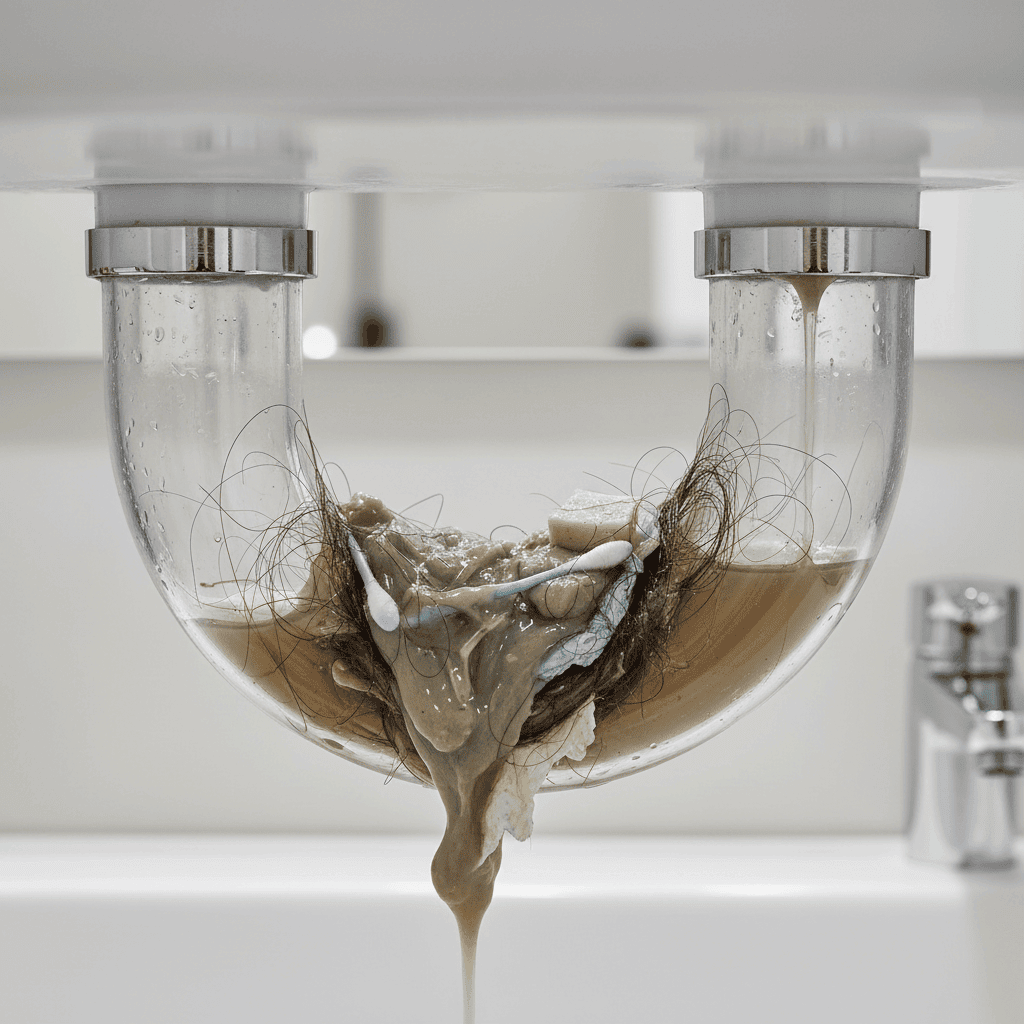
Recurring drain clogs are one of those home problems that arrive quietly and then make life uncomfortable fast. A slow shower, a sink that bubbles when the washing machine drains, or a toilet that backs up after light use are all signs that a clog is not a one time event. Understanding what causes repeat blockages helps homeowners stop the cycle and protect plumbing from damage that becomes costly over time.
This article explains the main causes of repeat drain clogs, shows how to spot the underlying issue, and offers practical tips to clear lines and lower the chance of another backup. Read on for real world examples, low cost prevention steps, and clear guidance on when to call a professional for work beyond standard home maintenance.
Common household causes of recurring drain clogs
Many repeat clogs come from ordinary daily habits. These problems start small and build up until flow is seriously impeded. Below are frequent culprits and how they contribute to recurring blockages.
- Hair and soap scum Hair bonds with oily soap residue to form sticky masses that adhere to pipe walls. In showers and bathroom sinks the buildup is slow but relentless, especially when drains lack strainers.
- Grease and cooking waste Fats and oils that go down kitchen drains cool and solidify. Over weeks they trap food scraps and produce a narrowing that returns even after a temporary clear.
- Food waste and egg shells Garbage disposals help but they cannot handle everything. Starchy foods, coffee grounds, and fibrous peels combine into sludge that resists flow.
- Wipes and feminine products Items labeled flushable are often not. They expand in pipes and snag other debris, creating resilient clogs in toilets and sewer lines.
- Mineral buildup Hard water deposits accumulate in hot water fixtures and narrow pipes over time. Left unchecked they reduce flow and trap other particles.
Small changes prevent many of these issues. Use sink strainers, scrape pans into compost before washing, and keep nondegradable items out of the toilet. Those simple steps cut the frequency of recurring clogs in most homes.
Aging pipes and structural damage that cause repeat blockages
Pipes are not immune to time and wear. Older systems develop internal changes that make clogs more likely and harder to clear.
Corrosion and scale buildup
Galvanized steel and cast iron pipes corrode from the inside. Corrosion roughens the interior surface and narrows the diameter. Similarly, mineral scale from hard water creates a crust that traps hair and grease. These conditions create partial blockages that reappear even after a snake or chemical treatment.
Cracks, shifts, and collapsed sections
Ground movement and tree root pressure create fractures and misalignment in buried lines. A small offset or bellied segment catches solids and causes slow drains and sudden backups. Once structural damage is present, recurring clogs become a symptom of a larger problem requiring repair or replacement.
Sewer line problems and external influences
When multiple drains in a house clog or backups occur in basement drains, the issue often lies in the sewer line rather than an individual fixture. External factors commonly produce repeating blockages.
Tree root intrusion
Roots seek water and exploit small crack or joint gaps in sewer lines. Over months they form dense mats that trap debris and restrict flow. Roots can also cause fractures that worsen over time, leading to more frequent clogs and occasional raw sewage backups.
Bellied pipe and poor grade
A sewer line should slope gently toward the main connection. When a section sags a low spot forms where solids settle out and accumulate. This belly requires excavation to correct the grade and stop the repeating clogs.
Household habits and fixture choices that raise clog risk
Some clog problems come down to usage patterns and the types of fixtures installed. Adjusting habits and swapping few items can lower the chance of repeated blockages.
- Overuse of hair treatments Frequent use of conditioners and thick shampoos increases residue in the shower drain. Regularly cleaning the drain cover reduces buildup.
- Toilet misuse Flushing paper towels, baby wipes, and other nonflushable items creates blockages often mistaken for sewer line failure. Educating household members is the simplest fix.
- Older plumbing fixtures Older toilets and narrow sink traps can hold more waste. Replacing outdated fixtures with models designed for modern plumbing flow reduces clog frequency.
- Over-reliance on chemical cleaners Frequent use of harsh drain chemicals damages pipe linings and aggravates some types of clogs. Use gentler solutions and mechanical clearing tools when possible.
Why common DIY fixes sometimes fail and what to try first
Home remedies work for light clogs but repeat issues often require more thorough methods. Here is a practical troubleshooting order to try before calling in outside help.
- Plunger first Use a good quality cup plunger for sinks and toilets. Create a seal, push and pull with controlled force, and repeat several times. This often loosens soft obstructions near the fixture.
- Plumbing snake next A manual auger reaches further into the line. Rotate and push until you feel resistance, then break up the clog and extract material. Avoid over forcing in older clay or cast iron lines.
- Hot water and dish soap For kitchen grease, run very hot water with a few tablespoons of liquid dish soap to melt and carry away fats. Repeat several times over a few days rather than relying on one big flush.
- Enzymatic cleaners Biological products break down organic matter and are safer for pipes when used correctly. They work more slowly but pose less risk to older plumbing than caustic chemicals.
If several attempts fail or the clog returns within days, the issue is likely deeper in the system, structural, or caused by an external factor like roots. At that point escalating inspection and treatment is wiser than repeated DIY attempts that may harm pipes.
When to bring in outside help and what to expect
There are clear signs that professional services are the right next step. Repeated backups, multiple fixtures affected, sewage smell, or evidence of sewage in basements all indicate a problem beyond routine home remedies. A trained technician will use diagnostic tools to identify the root cause and recommend targeted repair options.
Typical professional services include camera inspection to view the inside of pipes, hydro jetting to remove grease and roots, targeted repair of damaged sections, and full sewer line replacement if necessary. For example, a camera inspection can find a bellied section that would never be obvious from surface symptoms, while hydro jetting clears years of grease and mineral growth that a snake cannot remove. If you feel your home needs that level of attention, consider scheduling a professional drain cleaning to get a complete diagnosis and plan of action.
Preventive maintenance to reduce repeat clogs
Preventive work lowers the chance of future backups and spreads repair costs over time. A few routine practices make a big difference.
- Install strainers and hair traps Covers for sinks and shower drains catch large debris before it enters the pipe. Empty them weekly.
- Monthly rinse routine Flush drains with hot water and a bit of dish soap once per month to prevent grease buildup. For bathrooms, remove visible hair and wipe surfaces to reduce residue entering the drain.
- Periodic professional inspection A camera check every few years reveals early wear, tree root encroachment, and developing bellies before they cause major backups.
- Hydro jetting schedules For households with recurring kitchen grease or commercial operations, consider jetting annually instead of waiting for a failure. This method clears heavy buildup more thoroughly than manual snaking.
- Water softening where needed In areas with very hard water, a softener reduces mineral deposits that narrow pipes over time. Check compatibility with your plumbing and local regulations.
Implementing these preventive steps reduces the frequency of repeated clogs and extends the life of plumbing. Many homeowners find a simple maintenance plan prevents the most common and most costly failures.
Conclusion
Recurring drain clogs have multiple possible causes, ranging from everyday habits to serious structural issues. Identifying the real cause makes the difference between a temporary fix and a long term solution. In many cases simple changes like using strainers removing grease before it enters the drain and avoiding flushing nondegradable items will cut repeat problems. When signs point to deeper trouble such as sewer line damage or root intrusion, professional inspection and targeted treatment stop the cycle and reduce the chance of costly emergency repairs.
If you are dealing with frequent backups start with the basic steps listed here and keep a record of what happens after each intervention. That information helps a technician diagnose hard to find problems faster. For stubborn situations that return quickly book a diagnostic service to reveal the root cause and review options tailored to your home. Acting early prevents damage to floors walls and landscaping. Take action now to protect your plumbing and avoid a worse problem later.